
Blog
Latest NewsWhat to Expect During Emergency Tree Removal in Atlanta: Timeline, Safety, and Costs
Storms and sudden tree failures are common concerns for property owners in Atlanta. High winds, saturated soil, and dense tree coverage can quickly turn a damaged tree into a serious hazard.
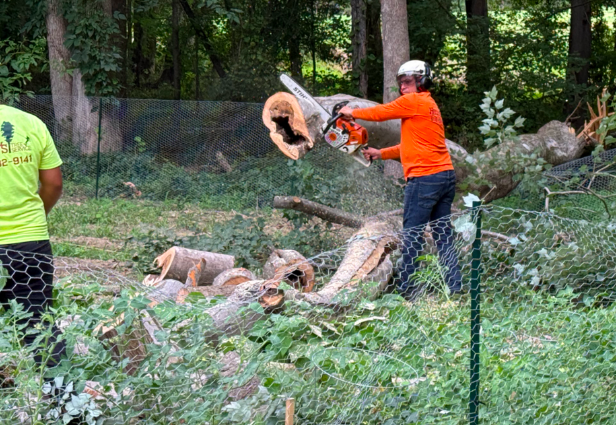
Things to Expect During Emergency Tree Removal
When emergency tree removal near me Atlanta GA becomes necessary, knowing what to expect helps reduce stress and allows you to make informed decisions during a fast-moving situation.
The Initial Call and Rapid Response
Emergency tree removal usually begins with a phone call as soon as a hazardous situation is identified. In Atlanta, many emergency tree services prioritize urgent cases such as fallen trees, blocked driveways, or trees threatening structures.
After the call, a crew is typically dispatched as quickly as conditions allow. Response times may vary depending on storm severity and demand, but emergency services focus on stabilizing dangerous situations first.
On-Site Assessment and Planning
Once the crew arrives, they conduct a thorough assessment of the tree and surrounding area. This step is critical because storm-damaged trees often carry hidden risks, such as internal cracks or unstable roots.
Based on the assessment, professionals determine the safest removal strategy. This planning phase ensures the work proceeds efficiently while protecting people, buildings, and nearby trees.
Safety Measures During Emergency Removal
Safety is always the top priority during emergency tree removal. Crews establish clear work zones and use protective equipment to reduce risk. They also account for nearby structures, vehicles, and foot traffic.
If power lines are involved, professionals coordinate with utility companies before proceeding. These precautions prevent injuries and minimize additional damage during removal.
Equipment Used for Emergency Situations
Emergency tree removal often requires specialized equipment. Chainsaws, cranes, bucket trucks, and rigging systems allow crews to remove trees in controlled sections rather than all at once.
This approach is especially important in tight spaces common throughout Atlanta neighborhoods. By working in stages, professionals maintain control and reduce the chance of sudden shifts or collapses.
Typical Timeline for Emergency Tree Removal
The timeline for emergency tree removal depends on the severity of the situation. Simple removals may take only a few hours, while complex cases involving large trees or structural damage can take longer.
Weather conditions and accessibility also influence timing. However, emergency crews aim to resolve immediate hazards as quickly as possible before moving on to cleanup.
Understanding Emergency Tree Removal Costs
Emergency tree removal costs vary based on factors such as tree size, location, and level of risk. Trees entangled with structures or utilities generally cost more due to increased complexity.
While emergency services may cost more than routine removal, the expense reflects the urgency, equipment, and expertise required. Acting quickly can also prevent more costly property damage later.
Cleanup and Post-Removal Considerations
After the tree is removed, crews typically clear major debris and restore access to the property. Some services include hauling away wood and branches, while others offer optional stump removal.
Professionals may also point out nearby trees that show signs of damage. This guidance helps property owners plan preventive care before another storm occurs.
Conclusion: Things to Expect During Emergency Tree Removal
Emergency tree removal in Atlanta involves fast response, careful planning, and a strong focus on safety. From the initial call to final cleanup, professional crews work to eliminate hazards and protect property. Understanding the timeline, safety measures, and costs involved allows property owners to navigate emergencies with confidence and peace of mind.
Costs and Factors That Affect Emergency Tree Removal Near You
Emergency tree removal can be stressful, especially when it happens unexpectedly after a storm or accident. While safety is always the top concern, many property owners also want to understand what influences the cost of emergency services.

Costs and Factors That Affect Tree Removal Pricing
Knowing the factors involved helps you prepare financially and make informed decisions when you search for “emergency tree removal near me Atlanta GA” on Google.
Why Emergency Tree Removal Costs More
Emergency tree removal typically costs more than routine tree services. This is because crews respond on short notice, often outside normal business hours. Additionally, emergency situations involve higher risks, specialized equipment, and increased labor demands.
Because professionals must prioritize safety and speed, the cost reflects the urgency and expertise required to handle hazardous conditions.
Tree Size and Condition
The size and condition of the tree play a major role in pricing. Larger trees require more time, manpower, and equipment to remove safely. Trees that are split, leaning, or partially fallen add complexity to the job.
As a result, removing a tall or severely damaged tree usually costs more than removing a smaller, stable one.
Location and Accessibility
Where the tree is located significantly affects emergency removal costs. Trees near buildings, fences, or other structures require careful planning and controlled cutting. Limited access may prevent the use of standard equipment, increasing labor time.
In addition, trees blocking roads or driveways may require immediate clearing, which can add to the overall cost.
Involvement of Power Lines and Utilities
Trees that are tangled in power lines create dangerous conditions. Emergency tree services must often coordinate with utility companies to ensure safety.
This coordination and additional precautions increase complexity and cost. However, addressing these situations properly prevents serious injuries and further damage.
Time of Day and Weather Conditions
Emergency services often occur at night, on weekends, or during severe weather. These conditions increase risk and require additional safety measures.
Because crews work in challenging environments, service rates may be higher. Nevertheless, timely removal can prevent further damage and reduce long-term costs.
Equipment and Crew Requirements
Emergency tree removal often requires specialized equipment such as cranes, bucket trucks, and rigging systems. Larger crews may also be needed to manage complex removals safely.
The use of advanced equipment and skilled labor directly impacts pricing. However, this investment ensures the job is completed safely and efficiently.
Cleanup and Disposal Services
Cleanup needs vary depending on the situation. Some emergency services include basic debris removal, while others offer full hauling and disposal.
Additional cleanup services may increase the total cost. However, thorough cleanup restores safety and accessibility quickly.
Conclusion: Costs and Factors That Affect Tree Removal Pricing
Emergency tree removal costs depend on several important factors, including tree size, location, risk level, and timing. While emergency services may cost more upfront, they provide immediate protection and prevent further damage. By understanding these cost factors, property owners can make confident decisions and prioritize safety during urgent tree emergencies.
The Role of Retail Architects in Creating Seamless In-Store Experiences
In today’s competitive retail landscape, the in-store experience plays a major role in how customers perceive a brand. Retail architects are at the center of shaping that experience. By blending design, functionality, and customer behavior insights, they create environments that feel intuitive and enjoyable.

How Retail Architects Create Seamless In-Store Experiences
Retail architects Orange County CA help transform physical stores into spaces that support both customer satisfaction and business success.
Understanding Customer Behavior and Flow
Retail architects begin by studying how customers move through a store. They analyze entry points, walking patterns, and areas where shoppers naturally pause. This understanding allows them to design layouts that feel effortless rather than confusing.
By guiding customers smoothly from one section to another, architects reduce frustration and improve engagement. As a result, shoppers spend more time exploring and feel more comfortable navigating the space.
Aligning Store Design with Brand Identity
A seamless in-store experience reflects a brand’s personality. Retail architects translate brand values into physical elements such as colors, materials, and layout choices. Every design decision reinforces the message the brand wants to communicate.
When the environment aligns with brand identity, customers experience consistency. This connection builds trust and makes the store more memorable, encouraging repeat visits.
Enhancing Product Visibility and Accessibility
Retail architects carefully plan how products are displayed and accessed. Strategic shelving, sightlines, and spacing ensure that merchandise is easy to find and visually appealing. Instead of overwhelming shoppers, the layout highlights key products naturally.
This clarity improves the shopping experience by reducing decision fatigue. Customers can focus on discovering products rather than searching for them.
Creating Comfort and Emotional Connection
Comfort plays a vital role in creating seamless experiences. Retail architects design spaces that feel welcoming through lighting, temperature control, and thoughtful seating areas. These details help customers relax and enjoy their visit.
Additionally, inviting environments create emotional connections. When customers feel comfortable, they associate positive emotions with the brand, which strengthens loyalty over time.
Integrating Technology Thoughtfully
Modern retail environments often include digital elements. Retail architects integrate technology such as interactive displays and digital signage in ways that support the shopping journey. Instead of distracting customers, technology enhances convenience and information access.
By blending physical and digital elements seamlessly, architects ensure the store remains engaging without feeling cluttered or overwhelming.
Designing for Flexibility and Future Needs
Retail trends and customer expectations change frequently. Retail architects plan for adaptability by using flexible layouts and modular fixtures. This approach allows stores to update displays or reconfigure spaces with minimal disruption.
By designing for change, architects help retailers stay relevant. Flexible spaces support seasonal updates, promotions, and evolving product lines.
Supporting Staff Efficiency and Service
A seamless in-store experience also benefits employees. Retail architects design work areas that support staff movement, visibility, and communication. Efficient layouts help employees assist customers quickly and effectively.
When staff can work comfortably and efficiently, service quality improves. This positive interaction enhances the overall customer experience.
Conclusion: How Retail Architects Create Seamless In-Store Experiences
Retail architects play a critical role in creating seamless in-store experiences. By understanding customer behavior, reinforcing brand identity, enhancing comfort, integrating technology, and planning for flexibility, they design spaces that feel natural and engaging. Their thoughtful approach helps retailers build strong connections with customers while supporting long-term success.
Addressing Dental Anxiety Through Patient-Centered Care
For many people, visiting the dentist brings a sense of unease or even fear. Dental anxiety is surprisingly common, affecting patients of all ages. Fortunately, dentists are now focusing more on patient-centered care, a thoughtful approach that puts comfort, communication, and trust at the center of every appointment.

How Dentists Help Patients with Anxiety
By addressing emotional and physical concerns, modern dentists Pittsburgh are helping patients overcome their fears and receive the care they need.
Understanding Dental Anxiety
First, it’s important to know where dental anxiety comes from. For some, it stems from a past negative experience. Others might worry about pain, needles, or feeling helpless in the chair. Even the sounds and smells of a dental office can trigger discomfort.
Dentists today recognize these triggers and no longer treat anxiety as something to push aside. Instead, they work with patients to understand their concerns and create a calmer experience from start to finish.
Creating a Welcoming Environment
From the moment patients walk through the door, a comforting environment can make all the difference. Dental offices are swapping out cold, clinical settings for warmer, more relaxing spaces. Soothing music, gentle lighting, and even the scent of essential oils can help reduce tension.
Staff members are also trained to greet patients with kindness and patience. This shift in atmosphere can help anxious patients feel more at ease, knowing they’re entering a space where their well-being is a top priority.
Open Communication and Education
Clear communication is another key aspect of patient-centered care. Dentists now take time to explain procedures, answer questions, and discuss treatment options in plain language. This transparency helps patients feel more in control and less fearful of the unknown.
Some dentists even use visual aids or digital imaging to walk patients through what’s happening with their oral health. By understanding the “why” and “how” behind a procedure, patients can build trust and reduce their anxiety.
Offering Sedation and Comfort Options
When needed, dentists offer a variety of sedation techniques to help patients relax. Options range from mild nitrous oxide (laughing gas) to oral sedatives or even IV sedation for more intense procedures. These choices are always discussed in advance, so patients can choose what works best for their comfort level.
In addition, many dentists now provide small comforts like blankets, noise-canceling headphones, or stress balls. While these may seem simple, they can make a big impact during a longer appointment.
Encouraging a Gradual Approach
Another effective strategy is allowing patients to ease into treatment gradually. For example, a dentist might suggest shorter visits at first, or even a no-treatment consultation just to get familiar with the office. This step-by-step process helps build confidence over time.
Some practices even use desensitization techniques, where patients slowly become comfortable with equipment, sounds, and routines. This thoughtful approach ensures that the patient feels safe every step of the way.
Conclusion: How Dentists Help Patients with Anxiety
Dental anxiety doesn’t have to stand in the way of good oral health. So, if dental anxiety has kept you away, know that times have changed—and today’s dentists are ready to meet you where you are, one step at a time.
How to Safely Use Electrical Cords
Electrical cords are a staple in every home and office, powering devices from lamps to computers. However, improper use or neglect can lead to electrical hazards, fires, and even injuries. Knowing how to safely use electrical cords is essential for keeping your environment secure.

Tips for Using Electrical Cords Safely
Here’s a Charleston electrician guide to help you navigate safe practices and prevent accidents.
- Inspect Cords Before Use
Before plugging in any device, take a moment to inspect the electrical cord. Check for visible damage such as frays, cuts, or exposed wires. These issues can cause electrical shorts or pose a fire hazard, so it’s crucial to replace damaged cords immediately. If you notice any wear and tear, avoid using the cord until it’s repaired or replaced. Additionally, make sure the plug is securely attached to the cord—loose connections can also be dangerous.
- Don’t Overload Circuits
One common mistake many people make is overloading circuits by plugging too many devices into a single outlet or extension cord. This can strain the electrical system, increasing the risk of overheating and electrical fires. It’s essential to know the power rating of both the outlet and the cord you’re using. Avoid plugging multiple high-power devices, like space heaters or microwaves, into the same outlet. Use a power strip with a built-in circuit breaker if you need to plug in multiple devices, and ensure it is rated for the total wattage of your appliances.
- Use the Right Cord for the Job
Not all electrical cords are created equal. For example, some cords are designed for light-duty tasks, while others are meant for heavy-duty use. Always check the specifications on the cord and ensure it’s suitable for the device you plan to connect. For outdoor use, ensure the cord is rated for outdoor conditions. These cords are designed to handle exposure to the elements and are usually thicker and more durable.
- Avoid Overextending or Kinking Cords
When using electrical cords, avoid stretching them too tightly or bending them sharply. Overextending or kinking cords can damage the wires inside, leading to short circuits and potential fire hazards. If you need to extend a cord across a room, ensure there’s enough slack to prevent tension. Additionally, never run cords under carpets or rugs, as this can cause overheating.
- Unplug When Not in Use
It’s easy to leave devices plugged in, especially if you don’t use them often. However, leaving electrical cords plugged in when not in use can be dangerous, as it increases the risk of electrical surges or overheating. Always unplug cords after use, particularly those attached to devices like irons, space heaters, or toasters. If you’re going away for an extended period, it’s a good idea to unplug electronics to reduce the risk of electrical accidents.
Conclusion: Tips for Using Electrical Cords Safely
Using electrical cords safely is essential for maintaining a secure environment at home or in the office. Remember that taking a few extra steps to care for your electrical cords can protect both your property and your safety. If you’re ever in doubt about the condition of a cord or its suitability for a task, it’s always safer to replace it or consult a professional.
Cleaning Your Commercial Flooring after a Flood
Flooding can be one of the most challenging events for any commercial establishment. After the water recedes, it’s essential to address the cleanliness and safety of your floors. Depending on the type of flooring you have, floodwaters can cause significant damage, requiring careful and immediate cleaning.

How to Clean Your Floor after a Flooding
Here’s a step-by-step guide on how to clean your commercial flooring after a flood and prevent further damage. If you need help, hire a commercial floor cleaning Pittsburgh PA company.
- Assess the Damage
Before jumping into cleaning, take a moment to assess the situation. Floodwaters may have caused visible damage, such as warping or discoloration, or left behind contaminants like mud, sewage, and debris. Depending on the type of flooring—whether it’s hardwood, tile, carpet, or vinyl—you’ll need to determine the extent of the damage. For instance, hardwood floors may swell and crack, while carpets may soak up water, leading to mold growth. Identifying the severity of the damage will help you decide whether a simple cleaning will suffice or if replacement is necessary.
- Safety First
When cleaning up after a flood, safety should always be your top priority. Before you start cleaning, make sure that the electricity is turned off to avoid any potential electrical hazards from water-damaged outlets and equipment. Wear protective gear such as rubber gloves, boots, and a face mask to avoid contact with contaminated water, which could contain bacteria and other harmful pathogens.
- Remove Standing Water and Debris
Once safety is ensured, begin by removing any standing water from your commercial space. Use a wet/dry vacuum, mop, or squeegee to clear as much water as possible. If there’s significant flooding, you might need industrial-grade pumps or sump pumps. After removing the water, thoroughly remove any debris such as dirt, sand, or leaves that may have been left behind by the flood. These materials can cause further damage to your flooring if left unattended.
- Clean and Disinfect the Flooring
After all standing water and debris have been removed, it’s time to clean and disinfect your floors. Different types of flooring require different methods of cleaning. For tile or vinyl floors, use a mixture of warm water and a mild detergent to scrub the surfaces. You may also use a disinfectant to ensure the removal of bacteria and mold spores. For carpets, professional steam cleaning may be necessary to thoroughly sanitize and remove any water damage.
- Dry the Flooring Properly
Drying your floors properly is crucial to preventing mold and mildew growth. Use fans, dehumidifiers, or even professional drying equipment to reduce moisture in the air and on the floor. Make sure to focus on areas that tend to stay wet longer, such as under furniture or behind heavy equipment. For wood floors, moisture can seep into the boards, causing them to warp or swell, so it’s especially important to ensure the floor is completely dry.
Conclusion: How to Clean Your Floor after a Flooding
Cleaning your commercial flooring after a flood is a crucial task that requires careful attention and proper techniques. If you’re unsure of the cleaning process or the extent of the damage, don’t hesitate to consult with a professional cleaning or restoration service. With the right approach, you can protect your flooring and restore the safety and cleanliness of your commercial space.
Important Reminders When Hiring a Landscape Designer?
Landscape designers have the skills and knowledge to transform your outdoor space into a vibrant, functional, and aesthetically pleasing area. However, the process of hiring a landscape designer involves careful thought and planning.

Important Reminders When Hiring a Landscape Designer?
Here are some crucial reminders when embarking on this journey when finding a reliable Phoenix landscape designer:
Understand Your Needs:
Before starting your search, identify your landscaping goals. Are you looking for a comprehensive makeover or adjustments to a specific part of your property? Your needs will guide the type of professional you should hire and the services you will require.
Do Your Research:
Investigate potential landscape designers in your area. Look at their online portfolios to understand their design style and to see if it aligns with your vision. Read reviews or testimonials to gain insight into past clients’ experiences.
Verify Credentials:
It’s crucial to check the credentials of your potential landscape designer. They should have appropriate qualifications and experience. Furthermore, if required in your region, ensure they hold necessary licenses or certifications.
Request Referrals:
Ask friends, family, or neighbors for recommendations. Personal referrals can provide honest insights about the designer’s work ethic, reliability, and the quality of their work.
Communication is Key:
Clear and frequent communication is essential for a successful landscaping project. During initial consultations, observe how effectively the designer communicates. They should listen to your ideas, provide clear answers to your questions, and offer valuable insights and suggestions.
Ask for References:
A reputable landscape designer should provide references from previous clients. Contact these individuals to inquire about their experience with the designer. This can provide valuable information about the designer’s ability to meet deadlines, adhere to budgets, and the overall satisfaction with the completed project.
Discuss Budgets Early:
Talk about your budget in the initial meetings. A professional designer should be able to suggest solutions that align with your financial boundaries and give you an estimate of potential costs.
Be Clear About Your Vision:
While landscape designers bring their expertise to the table, it’s essential to communicate your preferences and expectations clearly. It’s your space, and the final design should reflect your taste and lifestyle.
Understand the Contract:
Before finalizing the hire, thoroughly review the proposed contract. It should clearly define the project scope, design process, timeline, payment terms, and any guarantees or warranties.
Patience Pays Off:
Quality landscaping takes time to plan and execute. Be prepared for this process to take several months or even longer, depending on the project’s complexity. Avoid rushing the designer or making hasty decisions that could impact the quality of the work.
Maintenance Considerations:
Discuss the maintenance requirements of your proposed landscape. Ensure that you’re willing and able to uphold the necessary care or arrange for a professional maintenance service to do so.
Trust Your Instincts:
Finally, trust your gut feeling. You’ll be working closely with the designer throughout the project, so it’s essential that you feel comfortable with them and trust their expertise.
Conclusion: Important Reminders When Hiring a Landscape Designer?
Remember, hiring a landscape designer is an investment in your property. Taking the time to ensure you choose the right professional for your project will pay off in the form of a beautifully landscaped space that you can enjoy for years to come.
Best Practices for a Good Oral Hygiene
It’s no secret that good oral hygiene is essential for your overall health and well-being. In addition to brushing twice daily and flossing regularly, there are a variety of other practices you can implement to maintain positive dental habits.

From hiring the right dentists Raleigh NC to the types of food that support optimal oral hygiene – a few minor tweaks in your lifestyle may go a long way toward improving your teeth and gums.
In this blog post, we’ll cover some fundamental best practices for maintaining healthy teeth and simple yet effective tips you should incorporate into your daily life.
Brush Your Tongue
Regularly brushing your tongue is a simple and effective way to maintain your oral hygiene. It helps ensure healthy and fresh breath and removes bacteria that can contribute to bad breath, gum disease, and cavities due to rotting food particles.
Dentists recommend brushing your tongue two or three times daily with a soft-bristled toothbrush.
With regular tongue brushing, combined with brushing and flossing, you can keep your teeth clean, healthy, and looking your best for years to come!
Avoid Smoking
Smoking is one of the most dangerous things you can do to your body, especially regarding oral hygiene.
Smoking weakens tooth enamel and increases the risk of contracting gum disease, making it essential to kick the habit to preserve a healthy smile. Burning tobacco accelerates plaque buildup on your teeth, leading to bad breath and discoloration.
Beyond these physical detriments, smoking causes various curable and incurable cancers throughout your mouth!
Therefore, if you genuinely care about improving your oral hygiene and minimizing dental problems down the road, ditching cigarettes should be the top priority.
Visit Your Dentist Regularly
When it comes to our oral health, regular visits to the dentist are essential. Dentists can spot early signs of decay and tooth damage that you might not be able to see.
These issues can worsen over time if they’re left untreated, leading to more severe problems down the line. Regular visits can also help keep your teeth feeling their best by removing plaque and tartar that develops without consistent brushing and flossing.
Additionally, regular appointments ensure that the dentist can communicate with you about any potential changes in your mouth or teeth health.
Seeing a qualified dentist regularly is an investment in your long-term dental wellness—so don’t forget to make those appointments!
Use Mouthwash Everyday
Using mouthwash every day is an essential part of maintaining good oral hygiene. It freshens breath and promotes healthy gums and teeth, helps fight bad breath at its source, and eliminates harmful bacteria in the mouth.
Furthermore, rinsing with mouthwash can help prevent cavities by removing the plaque that builds up from sugary foods and drinks. Don’t forget to look for a mouthwash specially formulated to meet your needs – whether you have sensitive teeth and gums or just looking for general protection.
Regularly using an excellent antimicrobial rinse can be a great way to keep your whole mouth happy and balanced while also giving your confidence in an extra boost.
Washing the Windows: Mistakes to Avoid
One of the most annoying chores that every homeowner fear is window cleaning. That’s the reason why most windows go a couple of months without cleaning. Oftentimes, the path to streak-free and clean windows are paved with frayed nerves, impatience, and stress.

Of course, there’s a reason for that. Most of the time, homeowners make mistakes that generate poor outcomes when they clean the windows. However, if they know how to properly clean the windows, this would have been easily avoided.
One of the best ways to clean your windows is to hire a company that offers janitorial service Pittsburgh PA, such as window cleaning. These professionals have the tools and knowledge required to do the job properly. However, if you really want to do it yourself, here are a couple of mistakes you’ve got to avoid:
Using Paper Towels
Without a doubt, paper towels are excellent when it comes to absorbing water. However, they aren’t made for cleaning windows. Paper towels will leave particles behind on the glass that are easily visible and noticeable. Instead, you need to use a squeegee, lint-free towels, or microfiber cloth. Before using them to dry your windows, you have to first ensure they are clean.
Cleaning on a Sunny and Hot Day
It is even a bad move to wash on a windy day. The breeze from the surroundings and the heat of the sun will dry the cleaning solution combined with dirt on the windows as you clean. The outcome is always an extremely ugly appearance of dirt streaks that masks the entire glass surface. The appearance is enough to get rid of every single motivation you have when you started the task. That’s why it is best to clean the windows on a less breezy or an overcast day instead.
Utilizing Too Much Cleaner
You might have a hard time cleaning your windows if you use too much cleaner. The reason for this is that it can be hard to get rid of the cleaner using squeegee, spine, or towels. Oftentimes, it will leave a buildup on the surface of the glass, making it look unappealing.
Utilizing the Wrong Cleaner
All cleaners were made for a couple of various surfaces. Of course, you should not use a cleaner made for carpets on your windows. A cleaner made for cleaning marble is also not appropriate for your windows. Just because you do not have a cleaner made for your windows does not mean you can compromise on this. You will certainly not achieve the result that you want. Before you purchase a cleaner, you have to ensure you read the labels first. You have to verify that it is made for your windows.
Utilizing the Wrong Equipment
The tools you’re going to use in cleaning the windows is extremely vital. You’ve got to use tools that are specifically made for cleaning windows. This includes lint-free towels, window cleaners, and squeegee. You can also use a sponge if you don’t have a squeegee. However, you shouldn’t use a sponge that’s too hard.
Common Electrical Mistakes at Home You Should Prevent
Here is a list of common electrical mistakes at home that are usually done by DIY enthusiasts. Sadly, not only do these errors endanger your electrical system itself, but they potentially cause an electrocution risk or a possible fire hazard as well. So, you need to be careful. To know what are these, keep on reading below:

Use wrong wires
Utilizing the wrong wire for the situation is one of the causes of electrical issues. For example, selecting too small a gauge for the amperage of the circuit, utilizing indoor wire for outdoor application, or pulling the incorrect wire type through a conduit. Here, you will get the risk of possible wiring damage, overheating, or short circuits.
Reversed polarity
Revering the neutral and the hot electrical wire is perhaps the most hazardous among all typical electrical mistakes at home. Reversed polarity can harm your electronics and potentially poses the danger of fatal and extreme electric shock. A certified electrician knows how to wire the fixtures, outlets, and switches properly to guarantee that this won’t take place.
Unsafe outlets
Outlets and electrical receptacles should be attached firmly. When it’s installed poorly, outlets usually move, which can lead to electrical arcing that can be a major fire hazard. When outlets have electrical arcs and shorts, it can damage whatever is plugged into them as well.
Incorrect junction box
A plastic or steel junction box must be used when adding a new light fixture. As a matter of fact, anywhere an electrical connection is created, it should be within the right junction box.
Faulty wire connections
Faulty wire connections are one of the typical home electrical errors. They may be installed with the incorrect conduit fittings or without a wire nut. When they are metal, then, they are not bonded properly. Loose connections can make it difficult to diagnose electrical connections downstream and can generate electrical shorts.
Overloading circuits
Expert electricians are skilled when it comes to testing electric circuits for load capacity to prevent them from overloading. On the other hand, amateurs will usually keep on putting plugs onto a specific circuit, which can be unsafe and may go beyond the standard rating 15-amp breaker and 14-2 wire.
Failing to install GCFI
GFCI outlets are intended as a shock protector. This is mostly recommended to be placed in all areas near the earth and/or water, such as outdoors, bathrooms, kitchens, etc. GFCI outlet installation cab is tricky as it involves 2 terminals sets. If an amateur will do this, the terminals can simply be connected backward. As a result, shock protection will be useless.
Improper bonding/grounding
One of the vital steps to guarantee that your home electrical system is secured is grounding. Essentially, a ground wire can harmlessly transport electrical surges into the earth. Bonding involves linking electrically conductive tools to the system ground. If not for this, you’ll potentially be at risk of failing your breaker to trip once you experience short circuits at your home. Expert Atlanta commercial electrical contractors are well-versed about this but most property owners don’t.
Reasons to Build Your Dream Home
The choice to construct a custom house provides you with a lot of benefits over buying a pre-built one. One of the most popular reasons is that you’ve got the ability to make all of the design choices for your custom house.

In addition to that, building your dream house will allow you to create a property that is uniquely yours and build memories with your family that will last for generations.
Today, we’re going to share with you several reasons why you should build your dream home. If you’re convinced, make sure you hire architects in Orange County for help.
Hire the Right Contractor
Not only do you get to choose how your home is planned as well as what goes into it, but you also get to pick your contractor. Without cutting corners, the appropriate builders and contractors will construct a high-quality construction. They will keep you updated on the construction process at all times.
The process of building a custom home sometimes appears long and drawn out, but the end result is well worth the wait. When you collaborate with the proper builder and have complete control over the project. As a consequence, you’ll have a high-quality home that represents your own taste.
The Quality You Want
You pick whatever brands to put in your home because you are the one who makes the decisions. If you believe one appliance brand is superior to another, it may influence your choice of refrigerator, washer, and dryer.
You have the freedom to choose which cabinet contractor you wish to work with and which carpet brand to employ in your home. Have the brands you want to decorate your home with the quality you want.
Style That Fits You
When you buy a pre-built home, your only option is to make do with what you have and try to express your own style on it. When you decide to create a custom house, you have the option of choosing rustic, modern, or other styles that suits your preferences. You can choose between cherry cabinets or glass-front cabinets. It is entirely up to you whether you want marble or granite countertops.
Flooring can be tile, wood, or carpet from the start, saving time and money over a retrofit in a pre-built home. Each color and material decision are yours to choose. Visitors will be greeted by your personal style when you return home to an environment that is exactly what you want.
Get the Correct Design
Purchasing a pre-built home necessitates planning your life around it and making compromises on the property’s design. Sometimes there is extra or inconvenient space that is seldom used. You might discover that you require a function that the house does not have. You can pick a design and layout that works for you and your loved ones when you’re in command of the design process.
Because of these reasons, it is always a lot better to build a custom house instead of buying a pre-built one. However, it still depends on you.
 Hkk CC Web
- What to Expect During Emergency Tree Removal in Atlanta: Timeline, Safety, and Costs
- Costs and Factors That Affect Emergency Tree Removal Near You
- The Role of Retail Architects in Creating Seamless In-Store Experiences
- Addressing Dental Anxiety Through Patient-Centered Care
- How to Safely Use Electrical Cords
- Cleaning Your Commercial Flooring after a Flood
- Important Reminders When Hiring a Landscape Designer?
- Best Practices for a Good Oral Hygiene
- Washing the Windows: Mistakes to Avoid
- Common Electrical Mistakes at Home You Should Prevent
Recent Comments