
In today’s competitive retail landscape, the in-store experience plays a major role in how customers perceive a brand. Retail architects are at the center of shaping that experience. By blending design, functionality, and customer behavior insights, they create environments that feel intuitive and enjoyable.
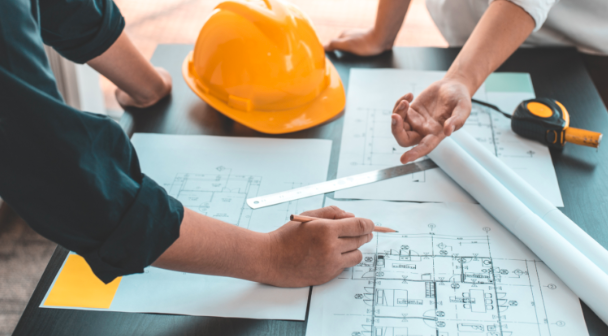
How Retail Architects Create Seamless In-Store Experiences
Retail architects Orange County CA help transform physical stores into spaces that support both customer satisfaction and business success.
Understanding Customer Behavior and Flow
Retail architects begin by studying how customers move through a store. They analyze entry points, walking patterns, and areas where shoppers naturally pause. This understanding allows them to design layouts that feel effortless rather than confusing.
By guiding customers smoothly from one section to another, architects reduce frustration and improve engagement. As a result, shoppers spend more time exploring and feel more comfortable navigating the space.
Aligning Store Design with Brand Identity
A seamless in-store experience reflects a brand’s personality. Retail architects translate brand values into physical elements such as colors, materials, and layout choices. Every design decision reinforces the message the brand wants to communicate.
When the environment aligns with brand identity, customers experience consistency. This connection builds trust and makes the store more memorable, encouraging repeat visits.
Enhancing Product Visibility and Accessibility
Retail architects carefully plan how products are displayed and accessed. Strategic shelving, sightlines, and spacing ensure that merchandise is easy to find and visually appealing. Instead of overwhelming shoppers, the layout highlights key products naturally.
This clarity improves the shopping experience by reducing decision fatigue. Customers can focus on discovering products rather than searching for them.
Creating Comfort and Emotional Connection
Comfort plays a vital role in creating seamless experiences. Retail architects design spaces that feel welcoming through lighting, temperature control, and thoughtful seating areas. These details help customers relax and enjoy their visit.
Additionally, inviting environments create emotional connections. When customers feel comfortable, they associate positive emotions with the brand, which strengthens loyalty over time.
Integrating Technology Thoughtfully
Modern retail environments often include digital elements. Retail architects integrate technology such as interactive displays and digital signage in ways that support the shopping journey. Instead of distracting customers, technology enhances convenience and information access.
By blending physical and digital elements seamlessly, architects ensure the store remains engaging without feeling cluttered or overwhelming.
Designing for Flexibility and Future Needs
Retail trends and customer expectations change frequently. Retail architects plan for adaptability by using flexible layouts and modular fixtures. This approach allows stores to update displays or reconfigure spaces with minimal disruption.
By designing for change, architects help retailers stay relevant. Flexible spaces support seasonal updates, promotions, and evolving product lines.
Supporting Staff Efficiency and Service
A seamless in-store experience also benefits employees. Retail architects design work areas that support staff movement, visibility, and communication. Efficient layouts help employees assist customers quickly and effectively.
When staff can work comfortably and efficiently, service quality improves. This positive interaction enhances the overall customer experience.
Conclusion: How Retail Architects Create Seamless In-Store Experiences
Retail architects play a critical role in creating seamless in-store experiences. By understanding customer behavior, reinforcing brand identity, enhancing comfort, integrating technology, and planning for flexibility, they design spaces that feel natural and engaging. Their thoughtful approach helps retailers build strong connections with customers while supporting long-term success.

Recent Comments